The Pioneer of fossils discovery in the Egyptian Jurassic world
 Nehal Abdullah
Life is full of adventure. There is no such thing as a clear path. Therefore, some people succeed in knowing themselves, finding themselves only in the adventure.
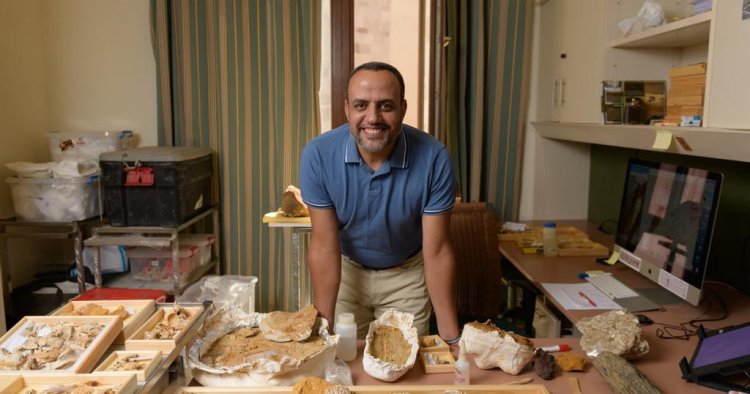
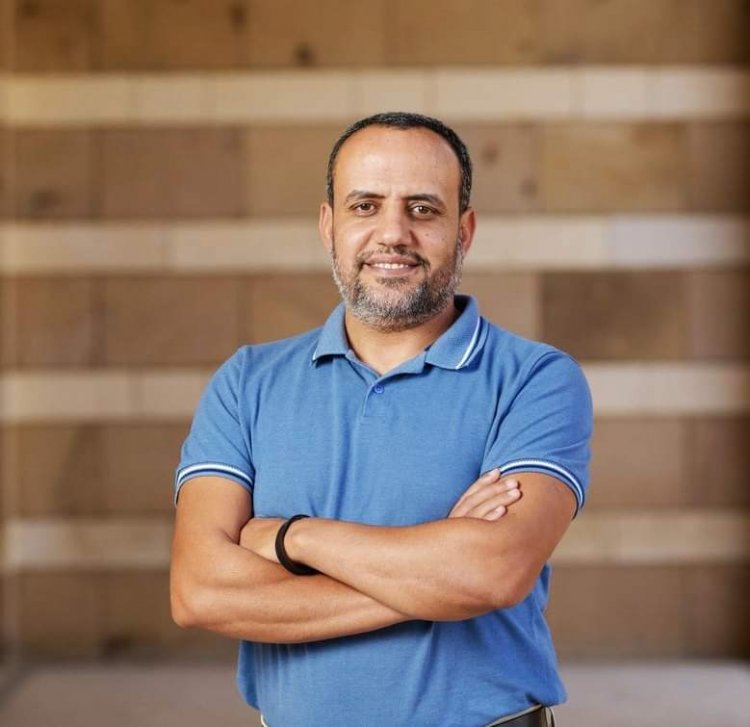
Today we are talking about Dr. Hesham Salam, the first Egyptian to obtain a PHD from Oxford University in 2010 in the United Kingdom in the field of vertebrate fossils, a professor at the College of Science and Engineering at the American University in Cairo, a professor in the Department of Geology at Mansoura University and the founder of the Mansoura University Center for Vertebrate Fossils.
Dr. Hesham Salam’s journey in research and excavation for vertebrate fossils began during his doctoral study and then after his return from the United Kingdom, as his main goal is to train the Egyptian youth’s minds to search and excavate vertebrate fossils to build new generations, as he always seeks to build an Egyptian research team in paleontology .
Salam created a team of researchers "Salam Lab". He led this team over the past years more than 100 research field trips in the various deserts of Egypt to uncover and excavate Egypt's natural heritage from vertebrate fossils which have been able to discover and document ancient prehistoric life.
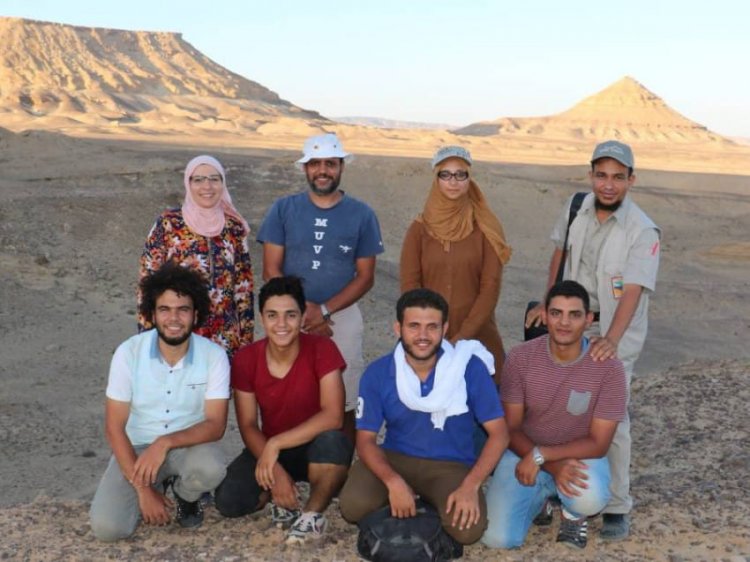
In January 2018, Dr. Hesham Salam’s first discovery in vertebrate fossils were the fossils of the dinosaur, Mansourasaurus, the first dinosaur recorded in the last 30 million years before the extinction of dinosaurs from the continent of Africa. This study was published in the famous scientific journal "Nature Ecology and Evolution".
The importance of this discovery is that it revealed the secret of the great extinction that afflicted the dinosaurs at the end of the Cretaceous period about 65 million years ago, as the fossils that were found before in Africa belong to the time period between 90 and 100 million years only.
Then, the discoveries of the Salam Lab research team, led by Hesham Salam, followed. Where a fossil of the Phiomicetu whale was discovered, it is a 43 million-year-old whale. It is a killer and savage whale that includes an evolutionary stage in the animal, and it has the ability to swim and walk on land. It was recorded in the "Encyclopedia of Zoology" in the name of the Egyptian team, and it is a new type of animal that has not been discovered before.
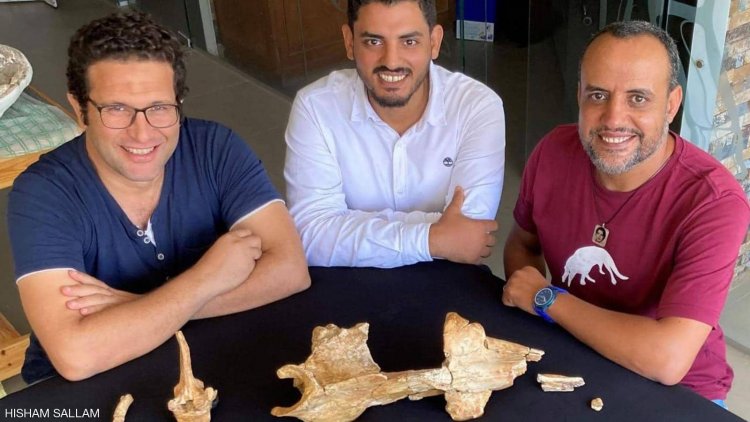
Under the leadership of Hesham Salam, a research team from the Mansoura University Center for Vertebrate Fossils in northern Egypt, in cooperation with scientists from the Ministry of Environment in the Bahariya Oasis, found in documenting the fossil of a predatory dinosaur that lived 98 million years ago in the Bahariya Oasis in the Western Desert of Egypt, called Abel, it represents the tenth cervical vertebra of the neck of a huge carnivorous dinosaur.
Salam recently led a team of researchers from the Salam Lab group in publishing new research in the Journal of Vertebrate Paleontology documenting the discovery of the oldest fossil of the ancestors of Egyptian cobras in Fayoum dating back 37 million years and also recording for the first time a type of legless lizard of the same age and region .
Hesham's quest did not stop at research trips in the deserts. Salam found a fossilized tooth of an ancient whale from an extinct group that lived in Egypt 40-45 million years ago called protocetids that were found inside one of the university's floor tiles. Salam also recently identified the fossil of another huge whale in marble stones that was found in Wadi Tarfa near Minya Governorate and it is now under study.
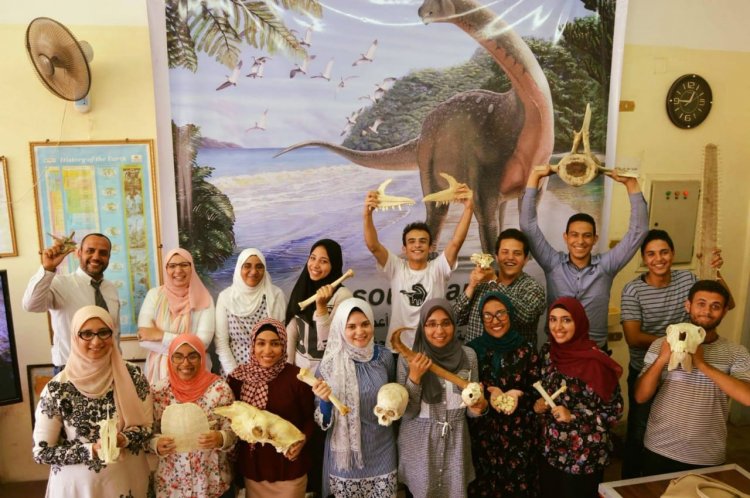
During this period, the Mansoura Excavation Center headed by Dr. Hesham Salam which organizes summer training and research trips for students of all ages in order to get acquainted with vertebrate fossils and create a new generation of youth who be aware of the importance of paleontology.
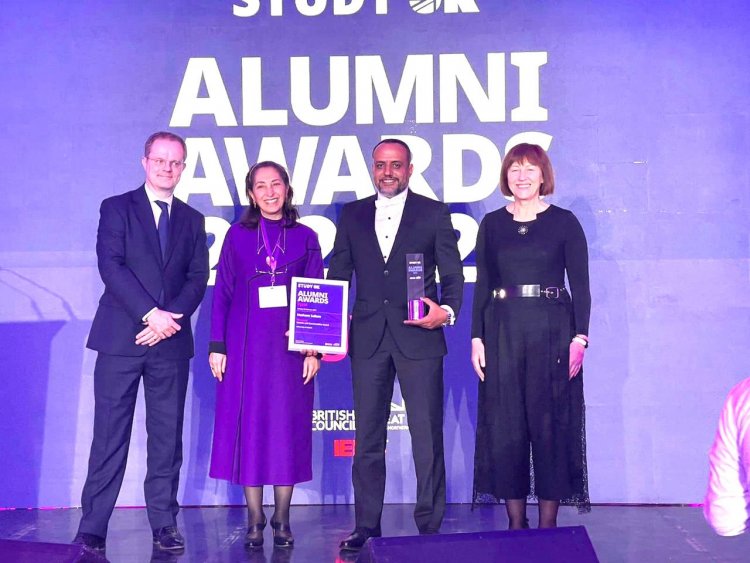
Dr. Hesham Salam was awarded the British Council’s Award for UK Alumni 2022 in Science and Sustainability in a ceremony held by the British Embassy as a culmination of his hard and fruitful work in excavation and in appreciation of the scientific renaissance he has brought about in the field of vertebrate fossils in the region.
Hesham Salam became an inspiring success story for young people and an example to follow in diligent work and continuing to search without getting bored or tireless despite the difficult challenges he faced at the beginning of the journey to give a lesson to youth by always persevering to achieve the impossible, success always comes to those who are too busy looking for it.